
Call: 281-955-0251

Can Dental Bonding Help with Tooth Sensitivity? Insights for Houston Patients


By Winning Smiles Dental
Tooth sensitivity can be a persistent issue, making daily activities like eating or drinking uncomfortable. Many people wonder if dental bonding might be a solution to this problem. Dental bonding, often used for cosmetic improvements, can help reduce tooth sensitivity by covering exposed areas, providing relief, and strengthening vulnerable spots. This blog will dive into how dental bonding works and whether it’s a good option for reducing tooth sensitivity.
What is Dental Bonding?
This is a cosmetic procedure that uses a tooth-colored resin to coat, repair, or reshape teeth. Commonly used for fixing chips, cracks, or gaps, bonding can also protect sensitive areas of teeth.
- Material: Made from a durable composite resin, the material is selected to match your natural tooth color.
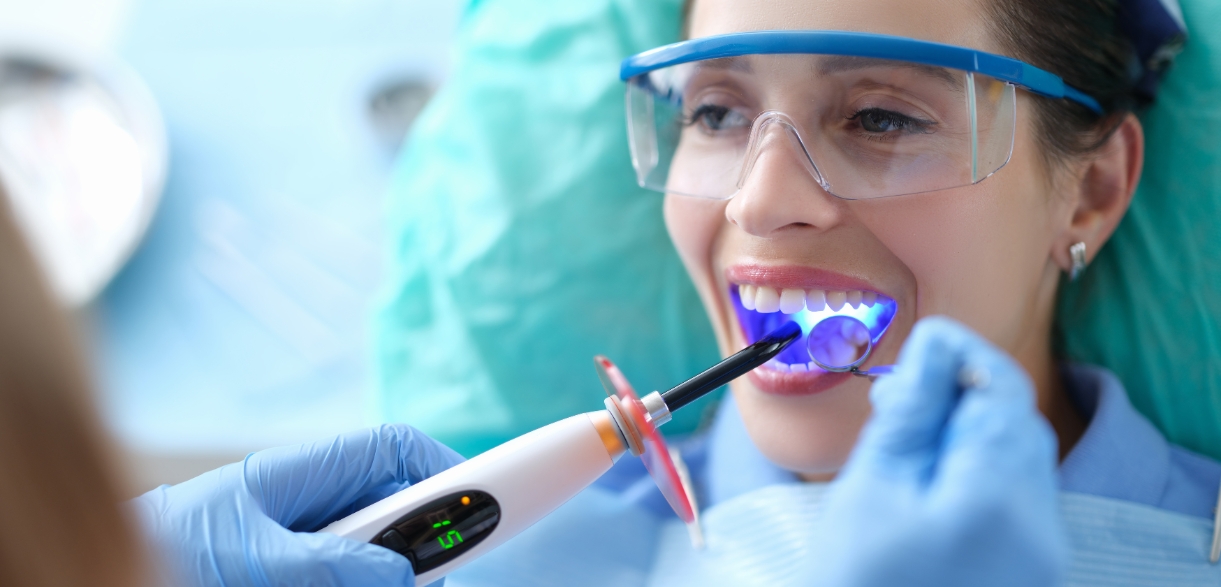
- Application: The resin is carefully applied to the tooth and then hardened using a special light. This bonds it securely to the tooth’s surface.
- Procedure: Bonding is usually non-invasive, with no need for anesthesia in most cases, making it a quick, comfortable option.
How Dental Bonding Reduces Tooth Sensitivity?
Tooth sensitivity often arises when the enamel wears down, exposing the underlying layer called dentin. The dentin has small tubules leading directly to the nerve, causing pain when exposed to hot, cold, or acidic foods.
Dental bonding can help reduce tooth sensitivity by:
- Sealing Exposed Dentin: The bonding resin covers exposed areas, blocking direct access to the nerve.
- Reinforcing Weak Spots: The bonding material strengthens weakened parts of the tooth, making them more resistant to damage.
- Adding a Protective Layer: The resin acts as a shield, preventing further enamel erosion and keeping your teeth less sensitive.
This solution is beneficial for people who experience sensitivity due to enamel erosion or gum recession. Applying dental bonding in Houston has provided many patients with noticeable relief from everyday discomfort.
The Process of Getting Dental Bonding
If you’re considering dental bonding to relieve sensitivity, here’s what to expect:
- Consultation and Assessment: A dentist will evaluate your teeth to determine if bonding is a suitable solution for your sensitivity.
- Preparation: Little to no preparation is needed for bonding. In some cases, the surface may be etched slightly to improve resin adhesion.
- Application: The resin is applied to the tooth in thin layers and shaped for a natural look.
- Curing and Polishing: After application, a special light is used to harden the resin, followed by polishing for a smooth finish.
Since this process is quick and non-invasive, many patients can return to their routines on the same day. The entire procedure is often completed in a single visit, making it convenient for those seeking fast relief from sensitivity.
Benefits of Dental Bonding for Tooth Sensitivity
Dental bonding offers several advantages beyond just reducing sensitivity:
- Immediate Results: Patients often experience relief soon after the procedure.
- Minimally Invasive: No drilling or anesthesia is usually required, making it a comfortable solution.
- Cost-Effective: Compared to other dental treatments, bonding is relatively affordable and still effective.
- Aesthetic Improvement: In addition to reducing sensitivity, bonding enhances the appearance of your smile by covering flaws like chips or cracks.
Dental bonding in Houston is an ideal option for patients looking to improve both the comfort and appearance of their teeth.
Tips for Maintaining Dental Bonding and Reducing Sensitivity
To keep your bonded teeth in top condition and minimize sensitivity, follow these tips:
- Practice Good Oral Hygiene: Brush twice daily with fluoride toothpaste and floss regularly to maintain healthy enamel and gums.
- Limit Acidic Foods: Acidic foods and drinks can erode enamel, making your teeth more vulnerable. Rinse your mouth with water after consuming them.
- Avoid Hard Foods: Bonded teeth are strong but can chip or wear down if exposed to hard foods or chewing on objects like ice.
- Schedule Regular Check-Ups: Regular visits help monitor the condition of the bonding and overall tooth health.
Proper care can extend the life of your bonding and keep sensitivity at bay. Dental bonding can last for several years with good maintenance, making it a worthwhile investment for those dealing with discomfort.
When Should You Consider Alternatives?
While dental bonding is effective for many cases of sensitivity, it may not be the best option for everyone. Patients with severe enamel loss or extensive damage might benefit from more permanent solutions like crowns or veneers, which offer added durability and protection.
Speak with a dental professional to explore the best treatment options for your needs. For mild to moderate sensitivity, however, bonding is often a simple and affordable way to achieve relief.
By addressing sensitivity directly at its source, dental bonding can provide noticeable improvements in comfort. Houston patients can find this treatment both practical and affordable, making it an attractive option for anyone experiencing ongoing sensitivity. Proper care and maintenance can keep your smile looking and feeling great for years to come.