
Call: 281-955-0251

Dental Crowns in Houston, TX


By Winning Smiles Dental
If your dentist recently said you need a crown, you might feel confused — or even a little worried. Many patients in Oak Cliff Place ask, “Why Your Dentist Is Recommending a Crown (And What You Should Know) Oak Cliff Place” is actually one of our most common conversations. A dental crown is not a punishment or an upsell. It is a clinical solution designed to protect a tooth that can no longer protect itself. Understanding the reason behind the recommendation helps you make a confident, informed decision.
At Winning Smiles Dental, Dr. Nha Quynh Nguyen believes every patient deserves a clear explanation before any procedure. This guide walks you through the most common clinical reasons a crown is recommended — and what you should expect along the way.
What Is a Dental Crown and Why Does It Matter in Oak Cliff Place?
A dental crown is a tooth-shaped cap that fits over a damaged or weakened tooth. It restores the tooth’s shape, size, strength, and appearance. Crowns are made from porcelain, ceramic, metal alloy, or a combination of materials. Your dentist chooses the material based on the tooth’s location and function.
Crowns are one of the most versatile restorations in dentistry. They protect teeth that fillings or bonding simply cannot save on their own. For patients in Oak Cliff Place, this treatment is a long-term investment in keeping your natural tooth. Losing a tooth creates a chain of problems that become more complex and costly to address over time.
Crowns can also play a role in broader smile work. When combined with Cosmetic Dentistry Houston treatments, they help restore both function and aesthetics. The goal is always to preserve your natural tooth whenever possible.
The Most Common Clinical Reasons Your Dentist Recommends a Crown
Dentists do not recommend crowns casually. There are specific, evidence-based clinical reasons that make a crown the best — and often the only — appropriate treatment. Below are the four most common situations Dr. Nguyen sees in her Houston practice.
1. A Cracked Tooth
A cracked tooth is more serious than it looks. Cracks can extend below the gumline and worsen with every bite. A crown holds the tooth together and prevents the crack from spreading further. Without a crown, a cracked tooth can fracture completely and require extraction.
2. A Large or Failed Filling
Older fillings can weaken over time. When a filling takes up more than half the tooth’s structure, the remaining natural tooth becomes fragile. A crown replaces the filling and covers the entire tooth surface. This distributes biting force evenly and reduces fracture risk.
3. After a Root Canal
Root canal treatment removes the infected pulp from inside your tooth. This process leaves the tooth hollow and more brittle than before. A crown placed after root canal therapy protects the tooth from cracking during normal chewing. Most back teeth treated with root canals require a crown as a standard next step.
4. A Broken or Missing Cusp
Cusps are the pointed chewing surfaces of your back teeth. When a cusp breaks off — from decay, injury, or biting something hard — the tooth loses structural integrity. A crown rebuilds the full chewing surface. It also seals the exposed inner layers from bacteria and sensitivity.
Signs You May Need a Crown — A Patient Checklist
Sometimes patients notice symptoms before their dentist confirms the diagnosis. If you recognize any of these signs, schedule an evaluation at Winning Smiles Dental promptly. Early treatment almost always leads to a better outcome. Waiting can turn a straightforward crown procedure into a more complex situation.
- Sharp pain when biting or chewing
- A visible crack or chip in your tooth
- Sensitivity to hot and cold that lingers after the temperature source is gone
- A large, dark, or failing old filling
- A tooth that has had a root canal and has no crown yet
- A broken piece of tooth you noticed while eating
None of these symptoms should be ignored. Dr. Nguyen will use X-rays and a clinical exam to confirm whether a crown is truly needed. She will always explain her findings clearly before recommending any treatment.
What to Expect During the Crown Process at Winning Smiles Dental
Many patients feel anxious about getting a crown because they do not know what to expect. The process is straightforward and typically completed in two visits. Dr. Nguyen and her team prioritize your comfort throughout every step. Here is a simple breakdown of what happens:
- Consultation and X-rays: Dr. Nguyen examines the tooth and takes digital X-rays to assess the damage.
- Tooth preparation: The damaged area is removed and the tooth is shaped to fit the crown. Local anesthesia keeps you comfortable.
- Temporary crown placement: A temporary crown protects your tooth while your permanent crown is being crafted.
- Permanent crown placement: At your second visit, the custom crown is checked for fit and then permanently bonded in place.
- Final adjustments: Dr. Nguyen checks your bite and makes any fine-tuning needed for comfort.
Modern crowns look and feel like natural teeth. Most patients adapt to their new crown within a few days. With proper care, a dental crown can last 10 to 15 years or longer.
How Crowns Fit Into Your Broader Dental Health Plan
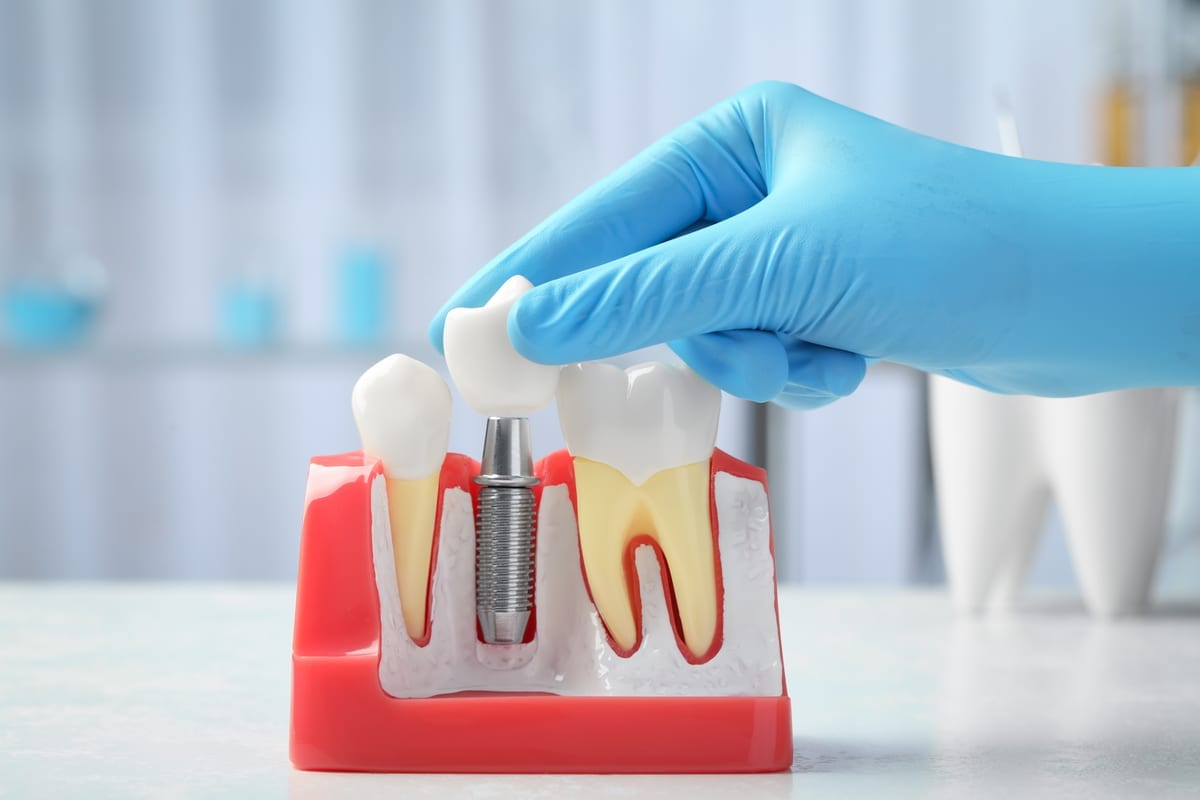
A crown is rarely an isolated treatment. It is often part of a larger plan to restore and maintain your oral health. For patients who have lost teeth, crowns are also essential to Dental Implant Restoration. An implant topped with a crown replaces a missing tooth from root to tip, restoring full function.
Crowns also play a role in full-mouth restoration cases. Patients who have experienced significant decay, wear, or tooth loss often need multiple crowns to rebuild their smile. Dr. Nguyen creates individualized treatment plans based on your specific needs and goals.
Keeping your existing teeth healthy is always the priority. A crown helps you do exactly that — protect a vulnerable tooth so it can last for years to come.
Benefits of Choosing a Crown to Save Your Tooth
- Preserves your natural tooth root and bone structure
- Restores full chewing function and bite strength
- Eliminates pain caused by cracks, fractures, or failing fillings
- Protects the tooth from further decay or damage
- Looks and feels like a natural tooth
- Can last over a decade with good oral hygiene
Schedule Your Crown Consultation in Houston Today
If your dentist has recommended a crown, that recommendation comes from clinical evidence — not guesswork. Understanding the reason behind the recommendation makes it easier to move forward with confidence. Dr. Nha Quynh Nguyen and the Winning Smiles Dental team are here to answer every question you have. We serve patients in Oak Cliff Place and throughout the greater Houston area with honest, compassionate care. Book Now to schedule your appointment with our team.
Frequently Asked Questions
Does getting a dental crown hurt?
The procedure is performed under local anesthesia, so you should not feel pain during treatment. Some sensitivity or mild soreness in the days after is normal. Over-the-counter pain relievers typically manage any post-procedure discomfort effectively. Dr. Nguyen takes every step to keep patients comfortable throughout the process.
How long does a dental crown last?
With proper care, a dental crown typically lasts between 10 and 15 years. Some crowns last even longer depending on the material and how well you maintain your oral hygiene. Brushing, flossing, and attending regular dental checkups all extend the life of your crown.
Can a tooth still decay under a crown?
Yes, decay can develop at the margin where the crown meets the tooth — especially if oral hygiene is inconsistent. The tooth structure beneath the crown remains alive and vulnerable to bacteria. Brushing twice daily and flossing around the crown help prevent decay from forming at the edges.
Is a crown always necessary after a root canal?
Not always, but in most cases — especially for back teeth — a crown is strongly recommended. Root canal treatment leaves the tooth more brittle, and back teeth absorb significant chewing pressure. A crown protects the treated tooth from fracturing and extends its functional life significantly.
What happens if I delay getting a crown my dentist recommended?
Delaying a recommended crown often leads to more serious problems. A cracked or weakened tooth can fracture completely, potentially requiring extraction rather than restoration. The sooner you address the issue, the more tooth structure can be preserved and the simpler the treatment will be.