Call: 281-955-0251

Why Your Whitening Results Fade Fast (And How to Keep Them)


By Winning Smiles Dental
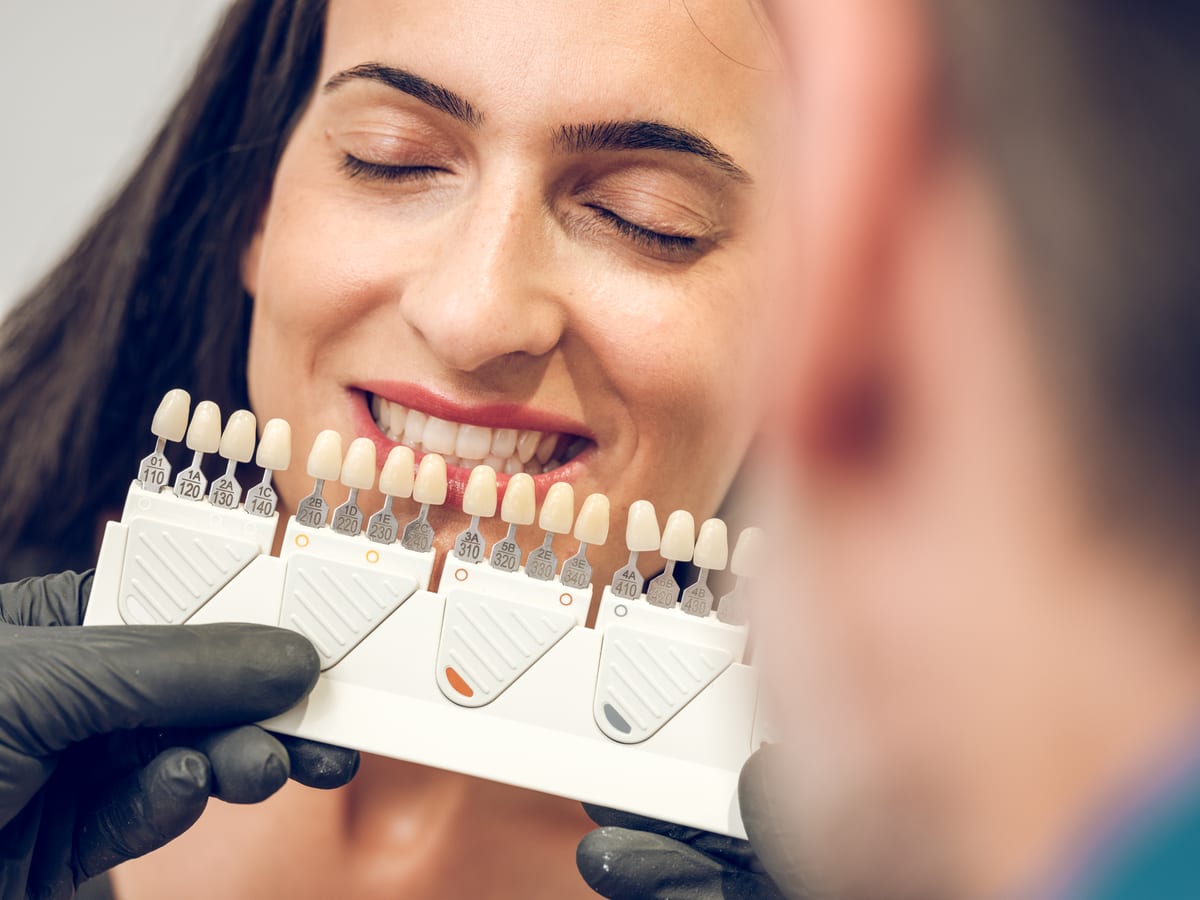
If you have ever invested in teeth whitening and watched your bright smile fade within weeks, you are not alone. Understanding why your whitening results fade fast — and how to keep them — is one of the most common concerns we hear at Winning Smiles Dental in Houston. The good news is that fading is largely preventable. With the right habits and maintenance plan, your results can last much longer than you might expect.
How Long Do Whitening Results Actually Last in Houston?
Most professional whitening treatments deliver results that last anywhere from six months to three years. That is a wide range — and for good reason. Your lifestyle habits play a huge role in how long your smile stays bright. Patients in Houston who maintain good oral hygiene and limit staining foods often enjoy results well beyond a year.
Over-the-counter whitening kits typically last three to six months at best. Professional treatments from a dentist like Dr. Nha Quynh Nguyen penetrate deeper into enamel and deliver more consistent, longer-lasting results. However, even professional whitening is not permanent. Understanding the factors that cause fading helps you take control of your smile’s longevity.
The Biggest Habits That Make Whitening Results Fade Fast
Certain everyday habits are the top culprits behind fading whitening results. Knowing which ones affect your smile is the first step toward protecting your investment. Here are the most common offenders Houston patients should watch out for:
- Coffee and tea: These drinks contain tannins that cling to enamel and cause deep staining over time.
- Red wine: Wine’s dark pigments and acidic nature make it especially damaging to whitened teeth.
- Smoking and tobacco: Nicotine and tar leave stubborn yellow and brown stains that build up quickly.
- Tomato-based sauces: Highly pigmented and acidic, these foods erode and discolor enamel.
- Dark sodas and sports drinks: Their acidity weakens enamel while their dyes stain the surface.
- Balsamic vinegar and soy sauce: Deeply pigmented condiments that many people overlook.
Eliminating every item on this list is not realistic. But making small adjustments — like drinking coffee through a straw or rinsing with water afterward — can significantly slow the fading process. Awareness is your most powerful tool.
Practical Tips to Keep Your Whitening Results Longer
There are many proven strategies to extend the life of your whitening results. These are not complicated routines — they are simple daily choices that add up over time. Dr. Nguyen recommends the following maintenance tips for Houston patients:
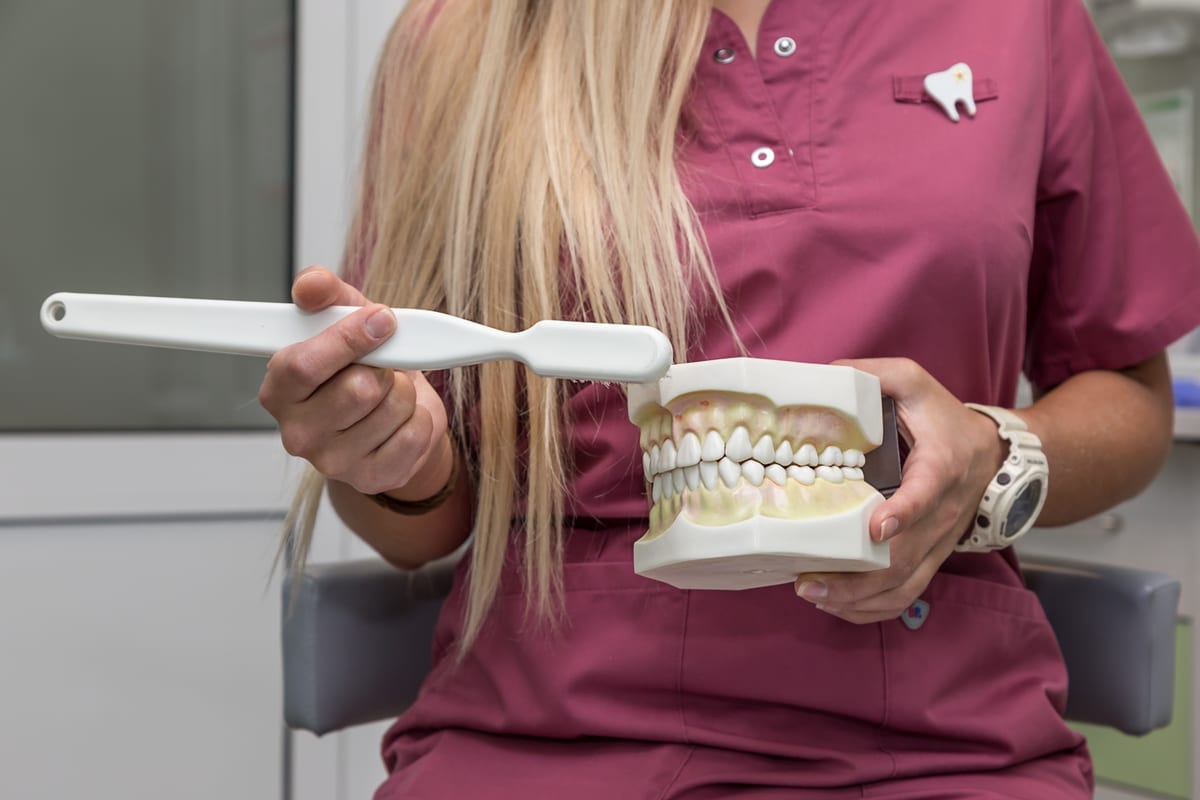
- Brush twice daily with a whitening toothpaste approved by your dentist.
- Floss every day to remove plaque that can dull your smile.
- Rinse with water immediately after consuming staining foods or drinks.
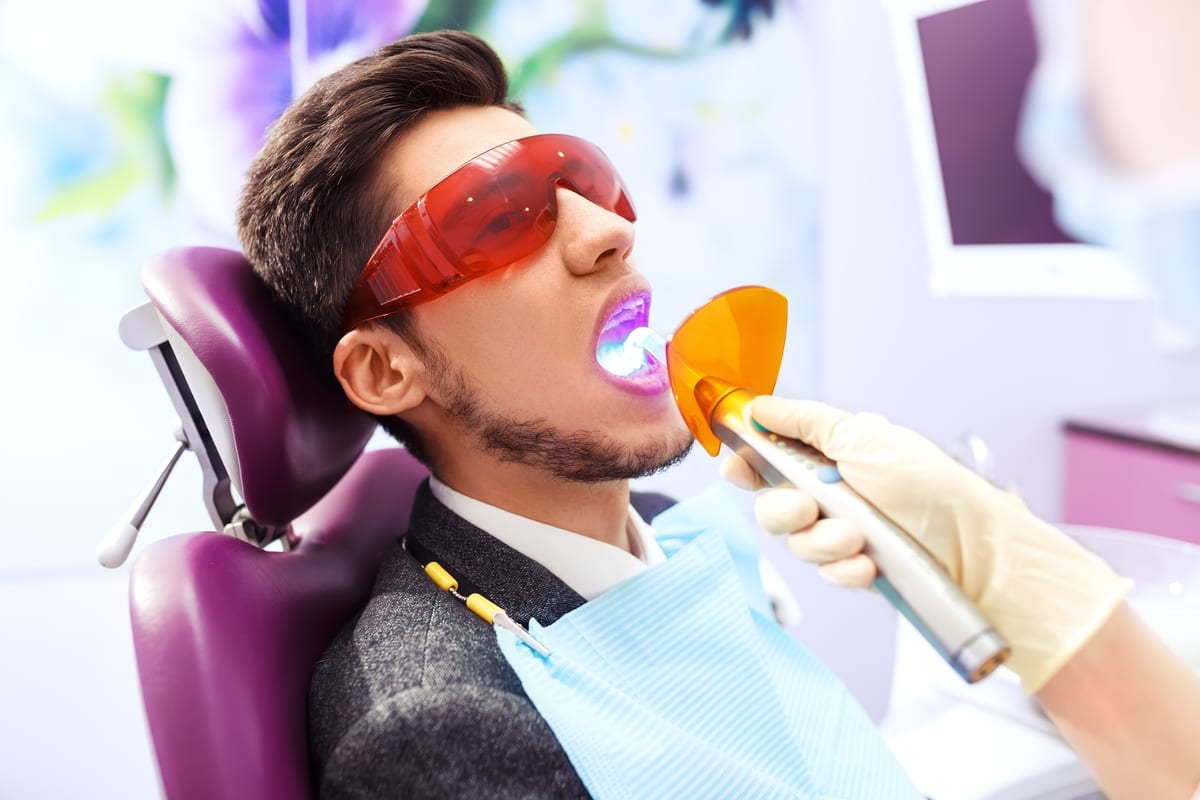
- Use a touch-up whitening kit every few months as directed by your dentist.
- Schedule regular professional cleanings to remove surface stains before they set.
- Ask about at-home whitening trays custom-fitted to your teeth for maintenance.
Consistency is what separates patients who keep their results for two or three years from those who see fading within months. Building these habits into your daily routine does not take much extra effort. It simply takes intention and follow-through.
Drinking through a straw is one underrated tip worth highlighting. It minimizes contact between staining beverages and your teeth. Many Houston patients are surprised by how much difference this small habit makes over time.
When Whitening Alone Is Not Enough: Cosmetic Dentistry Options
Sometimes whitening cannot achieve — or maintain — the smile you want on its own. Teeth with deep intrinsic staining, enamel erosion, or structural damage may not respond well to whitening treatments. In these cases, your dentist may recommend cosmetic solutions that provide more durable results.
Cosmetic Dentistry Houston Houston offers a full range of solutions that go beyond surface whitening. Veneers, for example, resist staining far better than natural enamel because they are made from porcelain. Dental bonding can also cover discolored spots while improving overall tooth shape.
For patients who have experienced tooth loss, discoloration is often just one part of a larger picture. Dental Implant Restoration Houston provides a permanent, natural-looking solution that complements a whitened smile beautifully. Implant crowns are also resistant to staining, making them a smart long-term investment for full smile aesthetics.
Dr. Nguyen takes a comprehensive approach to every patient’s smile goals. Rather than treating whitening as a one-size-fits-all fix, she evaluates each patient’s unique situation. This helps her recommend the right combination of treatments for lasting, beautiful results.
Why Houston Patients Should Consider Professional Maintenance Plans
One of the smartest things you can do after whitening is to schedule periodic check-ins with your dentist. Houston’s climate, diet habits, and lifestyle can all accelerate staining. A professional cleaning every six months removes tartar and surface stains before they become embedded in enamel.
At Winning Smiles Dental, Dr. Nguyen offers personalized maintenance guidance during every visit. She can assess how your whitening is holding up and recommend touch-up treatments at the right intervals. This proactive approach keeps your results fresh without over-whitening, which can cause sensitivity.
Touch-up treatments are far less intensive than the original whitening session. They are quick, affordable, and highly effective when timed correctly. Patients who schedule regular appointments often maintain their whitening results for two to three years with minimal effort.
Conclusion: Your Bright Smile Is Worth Protecting
Understanding why your whitening results fade fast — and how to keep them — gives you the power to protect your investment in Houston. Simple habits like rinsing after coffee, brushing with whitening toothpaste, and scheduling regular cleanings make a real difference. Combined with professional guidance from Dr. Nha Quynh Nguyen, your bright smile can last far longer than you might expect. Book Now to schedule your appointment with our team.
Frequently Asked Questions
How long do professional whitening results last compared to store-bought kits?
Professional whitening results typically last six months to three years, depending on your habits and maintenance routine. Store-bought kits usually last three to six months at most. Professional treatments penetrate deeper into enamel, delivering more consistent and longer-lasting brightness. Regular touch-ups and good oral hygiene can extend professional results significantly.
Can I drink coffee after getting my teeth whitened?
You do not have to give up coffee entirely, but you should limit it — especially in the first 48 hours after whitening. During that window, your enamel pores are more open and susceptible to staining. After that period, try drinking coffee through a straw and rinsing your mouth with water immediately afterward. This helps minimize contact with your enamel and slows the fading process.
Does smoking really affect whitening results that much?
Yes — smoking is one of the fastest ways to reverse whitening results. Nicotine and tar in tobacco products leave deep yellow and brown stains that build up quickly on enamel. Patients who smoke often see their whitening results fade within a few weeks. Quitting or significantly reducing tobacco use is the most impactful step you can take to maintain your smile.
How often should I schedule touch-up whitening treatments?
Most dentists recommend touch-up whitening every three to six months, depending on your lifestyle and staining habits. Dr. Nguyen will assess your specific situation and recommend a schedule that keeps your results fresh without over-sensitizing your teeth. Custom at-home trays provided by your dentist make it easy to do gentle touch-ups between professional visits.
Are veneers or bonding better than whitening for long-term results?
Veneers and bonding offer more durable, stain-resistant results compared to traditional whitening. Porcelain veneers in particular resist discoloration very effectively over the long term. However, they are more involved procedures and require careful evaluation with your dentist. Whitening is a great starting point, but for patients with intrinsic staining or structural concerns, cosmetic options may provide a better and longer-lasting outcome.